

The Vietnamese passport, issued by the Vietnam Immigration Department under the Ministry of Public Security, is the official travel document for citizens of the Socialist Republic of Vietnam. It serves as proof of Vietnamese citizenship and identity, and is required for international travel and re-entry into Vietnam. Vietnam introduced biometric e-passports in March 2022, with chip enabled passports meeting ICAO international standards.
The Vietnamese passport ranks in the mid to lower tier of global passport rankings but offers meaningful regional strength through ASEAN integration and growing diplomatic ties across Asia. Vietnam's diplomatic strategy has focused on deepening ties within Southeast Asia, expanding bilateral agreements with major economies, and leveraging APEC membership to facilitate business travel. With over 100 million citizens and a fast growing economy, Vietnam continues to push for expanded global mobility.
Types of Vietnamese Passports
Ordinary Passport (dark blue cover): issued to Vietnamese citizens for personal and business travel. Standard 10 year validity for adults aged 14 and above, and 5 years for minors under 14.
Diplomatic Passport: issued to members of the Vietnamese government, ambassadors, the National Assembly, and senior diplomats on official duty.
Official Passport (Public Affairs Passport): issued to government officials and civil servants travelling on state assigned missions. Notably, holders of this passport enjoy additional visa free access to certain countries including China.
Service Passport: issued to specific categories of state employees travelling on official business.
Laissez Passer: emergency travel document issued by Vietnamese embassies and consulates abroad to citizens who have lost their passport.
Validity of a Vietnamese Passport
A standard Vietnamese e-passport is valid for 10 years for adults aged 14 and above. For minors under 14, the validity is 5 years. The 10 year e-passport, introduced in March 2022, replaced the previous shorter validity passports and brought Vietnam in line with global standards. Vietnamese passports can be renewed up to 6 months before expiry through any Vietnam Immigration Department office across Vietnam or at any Vietnamese embassy or consulate abroad. Most destinations require the passport to be valid for at least six months beyond the intended date of departure.
What Does It Look Like?
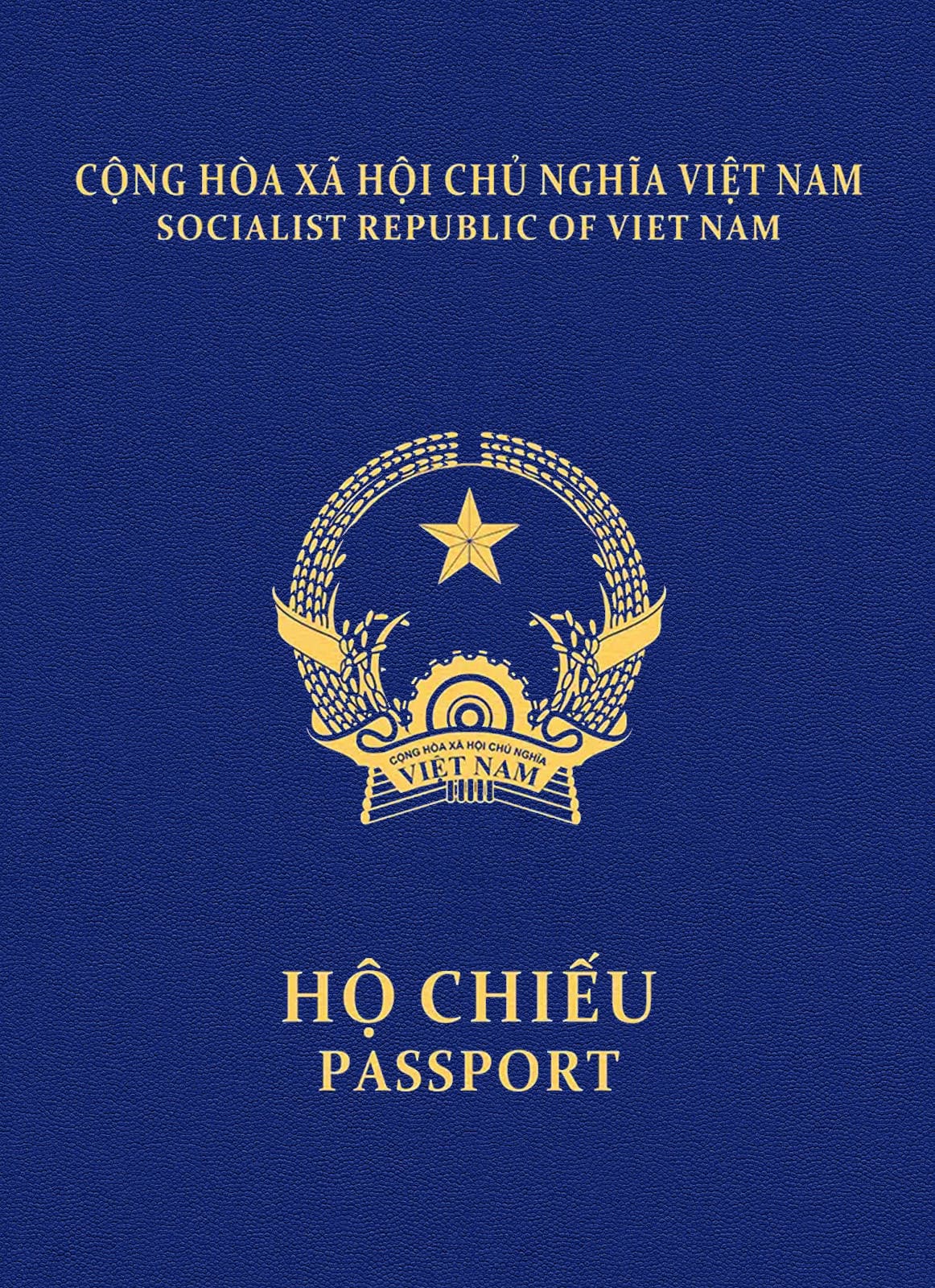
The standard Vietnamese passport has a dark blue cover featuring the national emblem of Vietnam embossed in gold, depicting a red disc with a gold star, a cogwheel, and rice stalks symbolising the worker peasant alliance. The words "CỘNG HÒA XÃ HỘI CHỦ NGHĨA VIỆT NAM" (Socialist Republic of Vietnam) and "HỘ CHIẾU / PASSPORT" are printed in gold in both Vietnamese and English. The biometric chip symbol is displayed near the bottom of the cover, indicating compliance with ICAO standards. The newer 2022 generation e-passport features a polycarbonate data page, advanced security features, and artistic imagery reflecting Vietnamese landmarks, biodiversity, and cultural heritage including Ha Long Bay, the Imperial City of Hue, and scenes representing all 63 provinces and centrally governed cities.
Inside the Passport
The identity page includes the following details:
Passport holder's photograph
Full legal name in Vietnamese
Passport number
Country Code (VNM)
Nationality (Vietnamese)
Date and place of birth
Sex
Date of issue and expiration
Issuing authority (Vietnam Immigration Department)
Signature of the bearer
Place of permanent residence
Machine Readable Zone (MRZ)
All Vietnamese passports issued since March 2022 contain an embedded biometric chip storing the holder's photograph, fingerprints, and digital signature.
Visa Free Access with a Vietnamese Passport
As of 2026, Vietnamese passport holders can access 69 destinations without applying for a visa in advance. This includes 29 fully visa free entries and 40 visa on arrival destinations. Vietnamese citizens enjoy visa free access throughout most of ASEAN (Cambodia, Indonesia, Laos, Malaysia, Myanmar, Philippines, Singapore, Thailand, Brunei), plus Chile, Panama, Suriname, Belarus, Kazakhstan, Kyrgyzstan, and a selection of Caribbean and Pacific island nations. Visa on arrival is available in destinations like the Maldives, Nepal, Cambodia, Madagascar, Mauritius, Namibia, and several African nations. Major destinations that require advance visas for Vietnamese citizens include the entire Schengen Area, the United Kingdom, the United States, Canada, Australia, Japan, and South Korea.
Vietnam also benefits from APEC Business Travel Card (ABTC) access for business travellers. Vietnamese ABTC holders can travel to APEC member economies including Brunei, Chile, China, Hong Kong, Indonesia, Japan, Malaysia, Mexico, New Zealand, Papua New Guinea, Peru, Philippines, Russia, Singapore, South Korea, Taiwan, and Thailand without applying for individual visas, making business travel significantly easier across the Asia Pacific region.
A practical advantage for Vietnamese travellers: holding multi entry visas or permanent residency from Schengen Area countries, the United Kingdom, the United States, Canada, Australia, New Zealand, or Japan often unlocks visa on arrival or eVisa access to additional destinations. For example, Vietnamese citizens with valid US, UK, or Schengen visas can obtain easier entry to countries like Mexico, South Korea (transit), Taiwan, and several Southeast European nations.
Passport Strength and Ranking
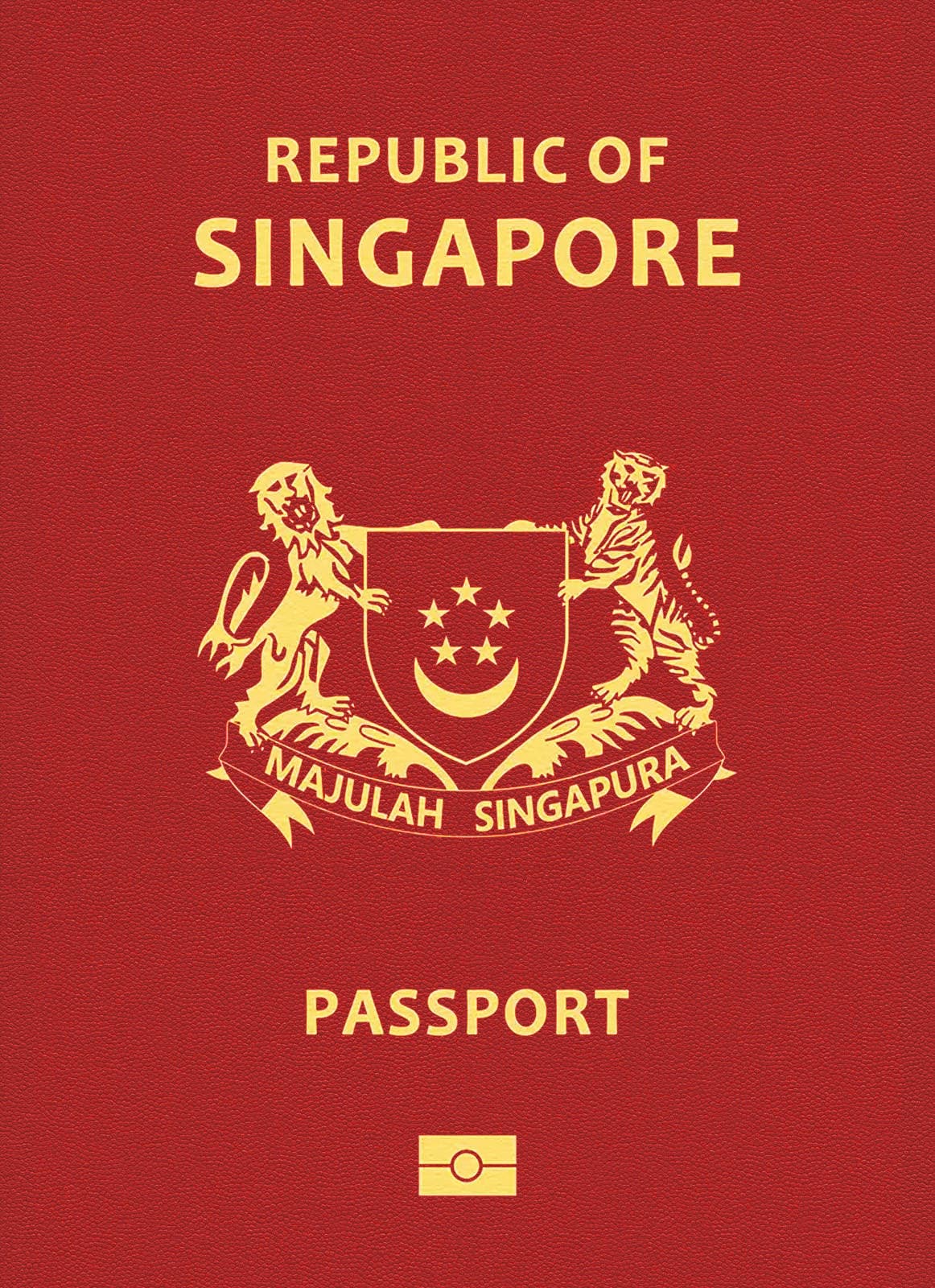
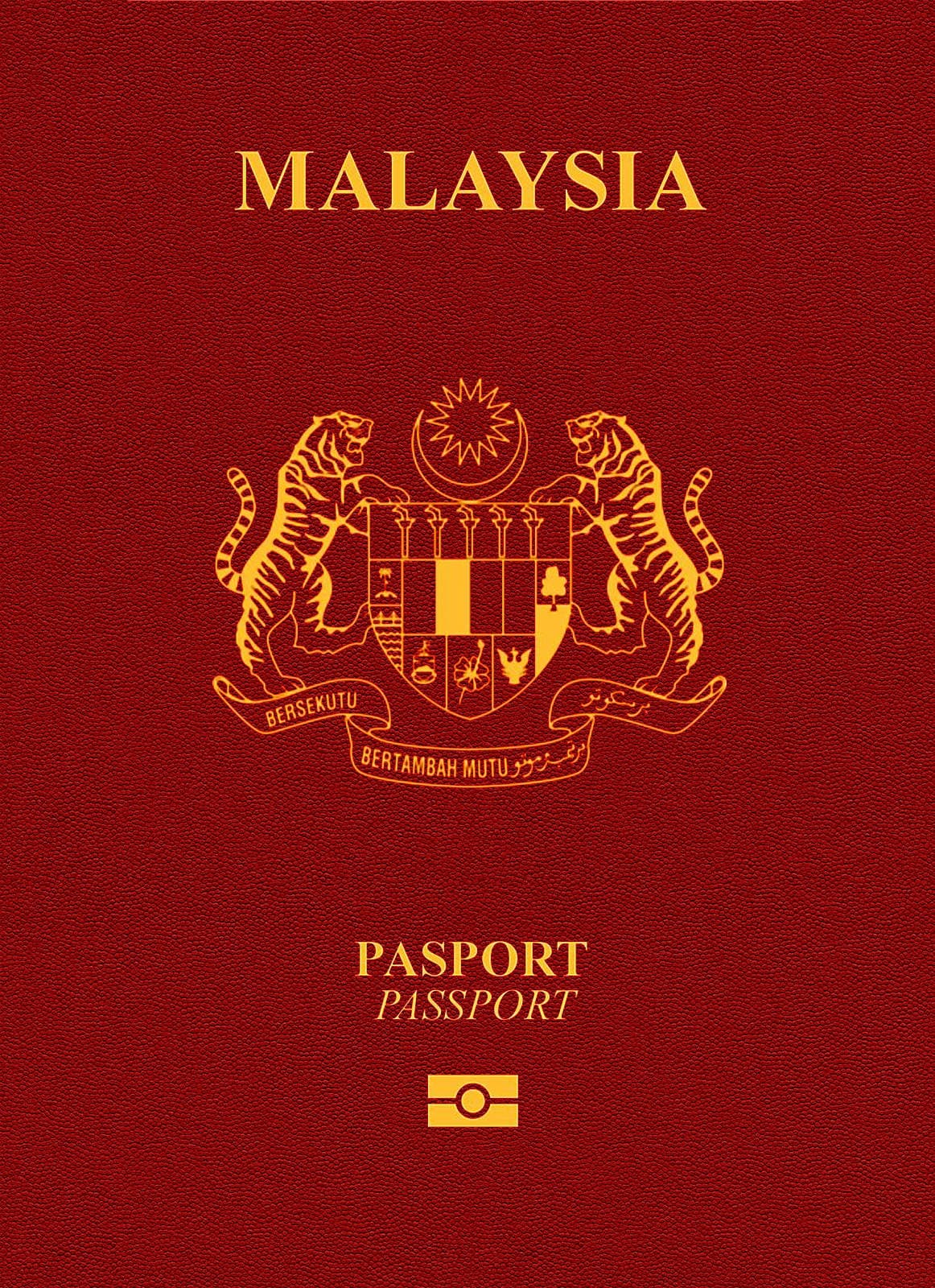
According to the Atlys Passport Index 2026, the Vietnamese passport ranks 70th globally with a mobility score of 69. Vietnam sits in the lower mid tier of Southeast Asian passports, trailing Singapore (tied 2nd, score 175), Malaysia (3rd, score 174), and Indonesia (56th, score 89) by significant margins, but ahead of the Philippines, Myanmar, Laos, and Cambodia in regional terms. The Vietnamese passport's position reflects Vietnam's continued single party political system, which influences bilateral visa waiver negotiations with Western nations, balanced against Vietnam's growing economic weight and deeper integration with global trade networks.
Recent developments have strengthened the Vietnamese passport's position. The 10 year e-passport rollout (March 2022) modernised the document and brought Vietnam in line with global standards. China granted Vietnamese citizens visa free transit options at multiple ports. Vietnam's accession to multiple trade agreements including CPTPP and RCEP has improved diplomatic standing. The most significant ongoing diplomatic pushes are for expanded EU access and improved bilateral agreements with major Western and East Asian economies.
The Vietnamese passport reflects Vietnam's position as Southeast Asia's fastest growing economy, a major exporter to global markets, and a founding member of ASEAN. With access to 69 visa free or visa on arrival destinations, biometric e-passport security, full ASEAN regional mobility, APEC Business Travel Card benefits for business travellers, and conditional access through Western visa holdings, the Vietnamese passport continues to serve over 100 million Vietnamese citizens at home and abroad. Long term improvements depend on broader diplomatic outreach, Vietnam's growing economic and trade weight, and reciprocal visa waiver agreements with major Western and East Asian economies.