
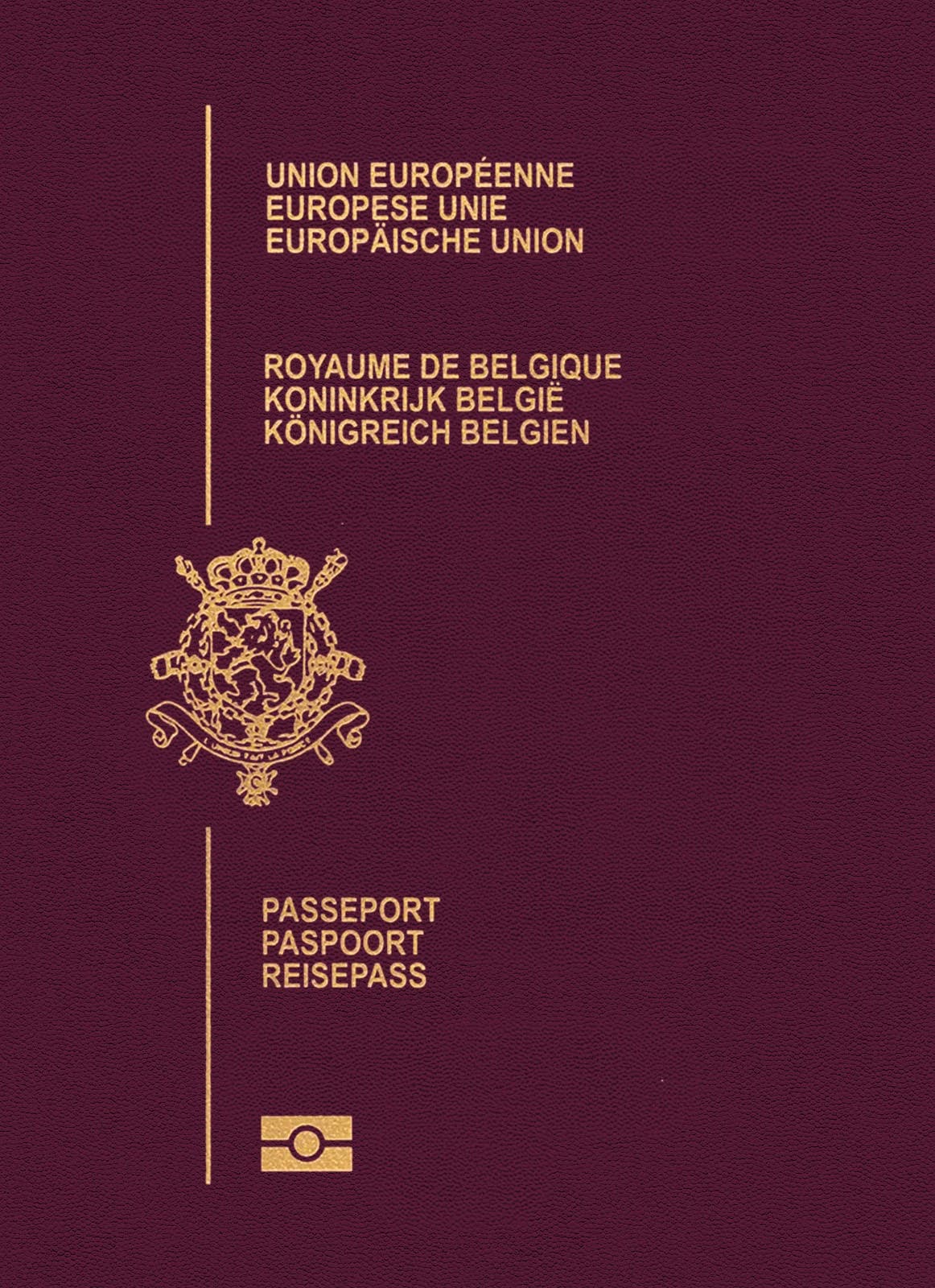

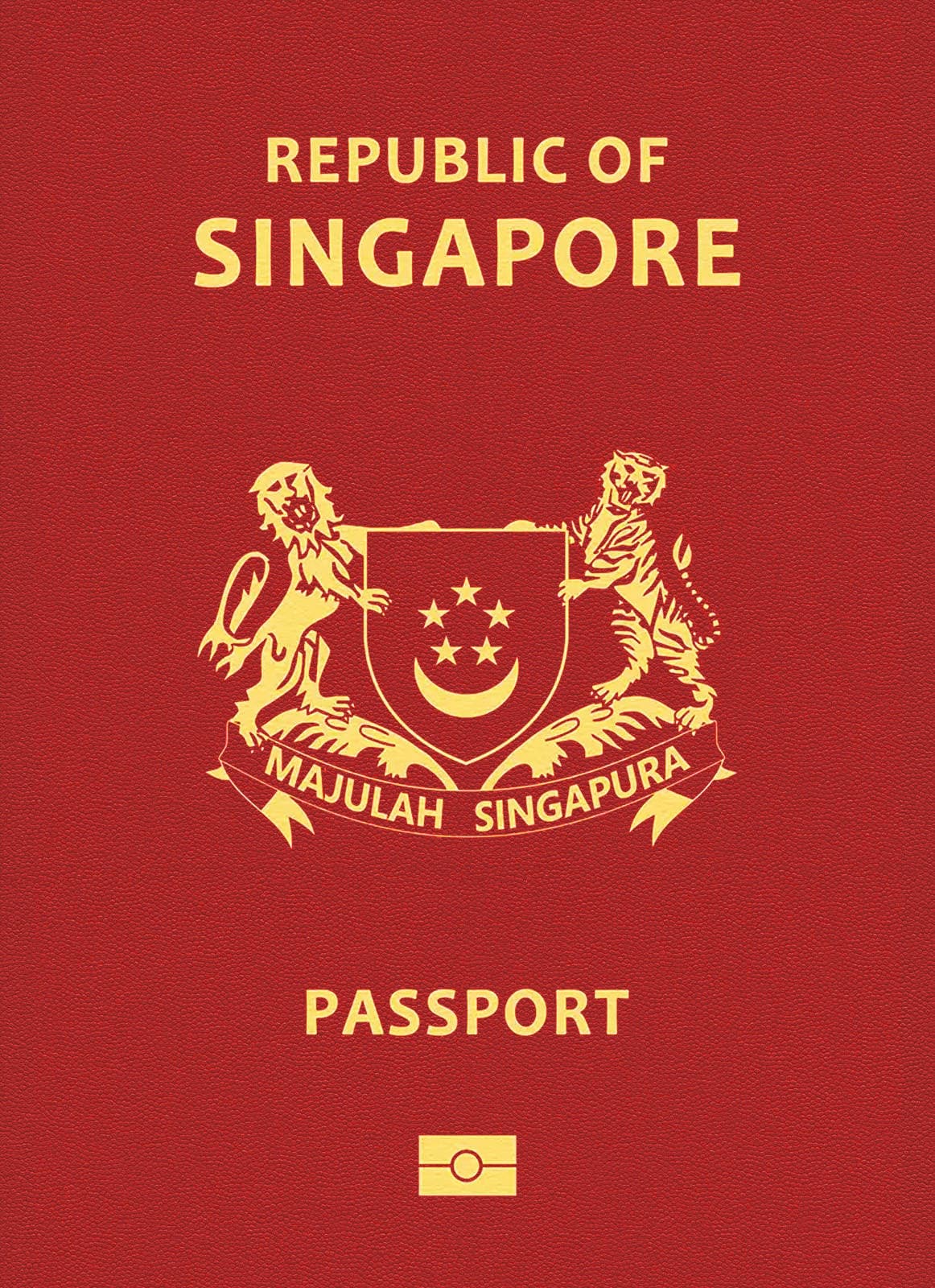
The Spanish passport, issued by the Spanish Ministry of the Interior through the General Directorate of the Police (Dirección General de la Policía), is one of the most powerful travel documents in the world. It serves as proof of Spanish citizenship and identity, and is required for international travel outside the European Union. Spanish passports follow the standardised burgundy red EU passport design and incorporate advanced security features including biometric chips, polycarbonate data pages, and laser engraved details that meet ICAO international standards.
The Spanish passport ranks among the absolute strongest in the world, currently sitting in the global top 2 alongside Singapore. This top tier position reflects Spain's strong diplomatic relationships, EU membership, extensive historical ties with Latin America, and reputation for cultural and economic openness. Spanish citizens enjoy some of the broadest travel freedom in the world.
Types of Spanish Passports
Ordinary Passport (burgundy red cover): issued to Spanish citizens for personal and business travel. Standard 10 year validity for adults aged 30 and above, with shorter validity tiers for younger applicants.
Diplomatic Passport (red cover): issued to members of the Spanish government, ambassadors, and senior diplomats on official duty.
Official Service Passport (green cover): issued to government officials and civil servants travelling on official missions abroad.
Special Passport: issued to officials performing duties of a special nature for the Spanish state.
Provisional Passport: issued by Spanish embassies and consulates abroad to citizens who have lost their passport or need an immediate travel document, valid for up to 1 year.
Validity of a Spanish Passport
A standard Spanish passport has tiered validity based on the holder's age at the time of issue. For applicants aged 30 and above, the passport is valid for 10 years. For those aged 5 to 30, the validity is 5 years. For children under 5, validity is 2 years. Spanish passports can be renewed up to 12 months before expiry through any National Police station with passport services across Spain or at any Spanish embassy or consulate abroad. Most destinations require the passport to be valid for at least six months beyond the intended date of departure.
What Does It Look Like?
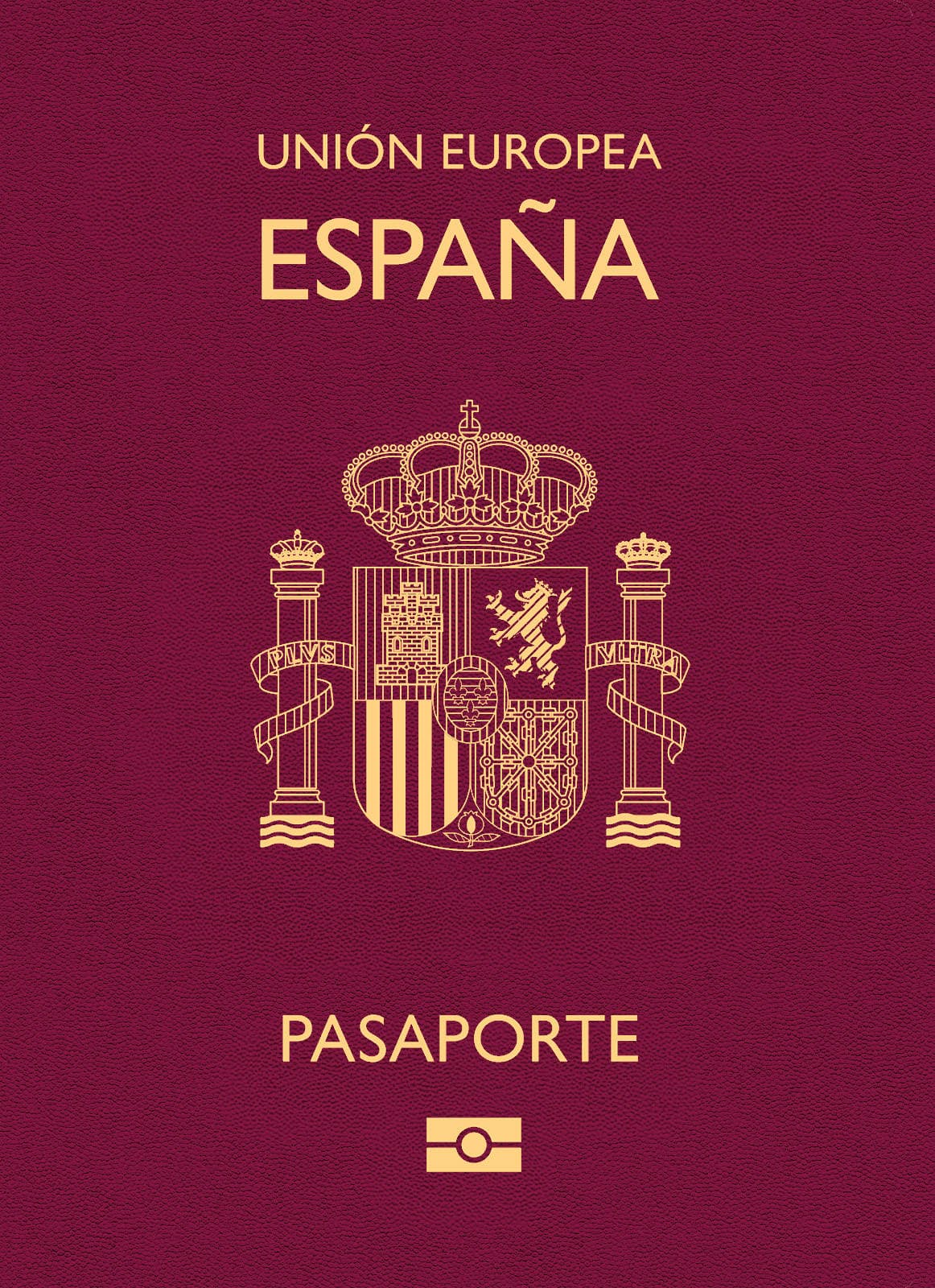
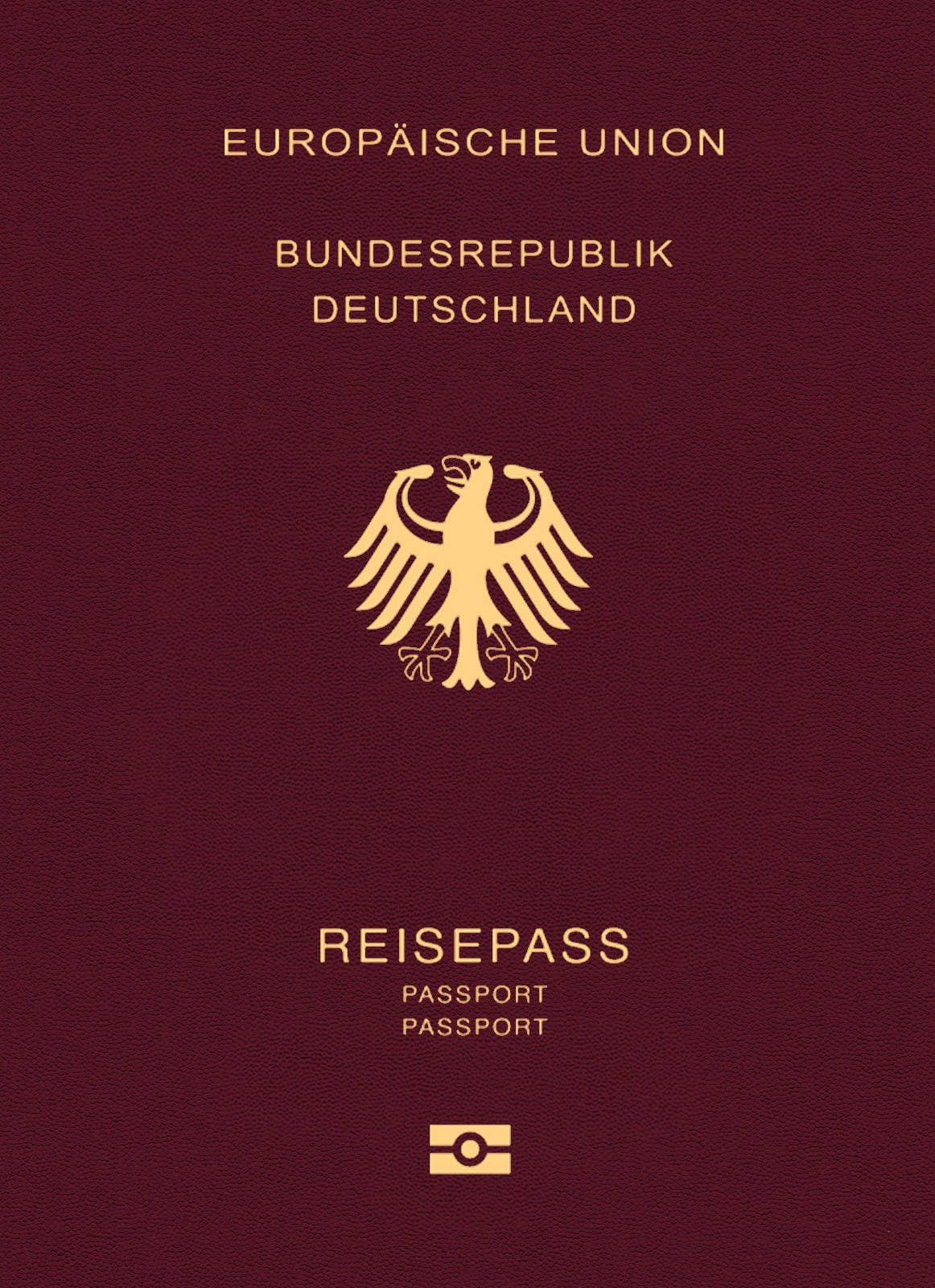
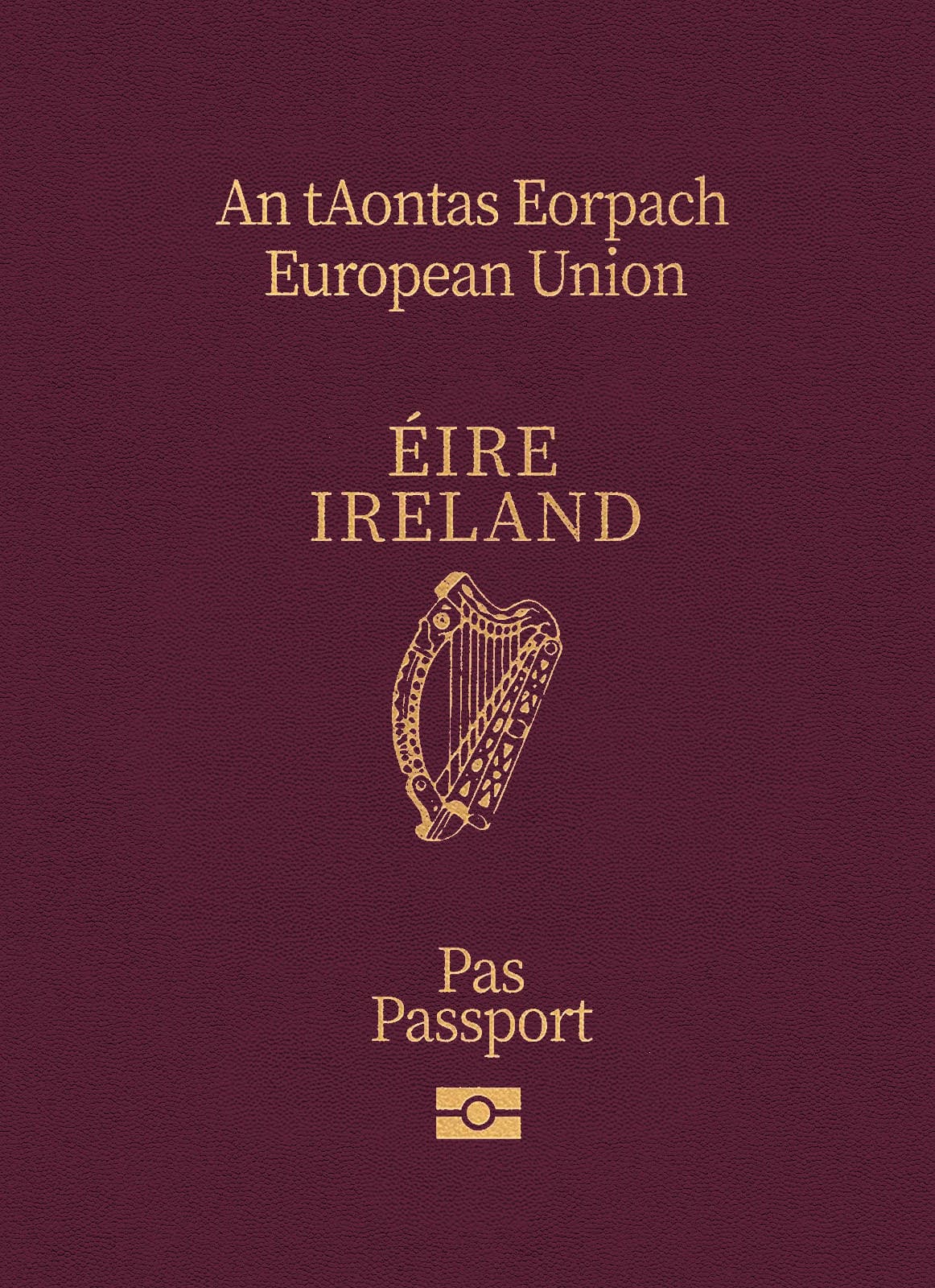
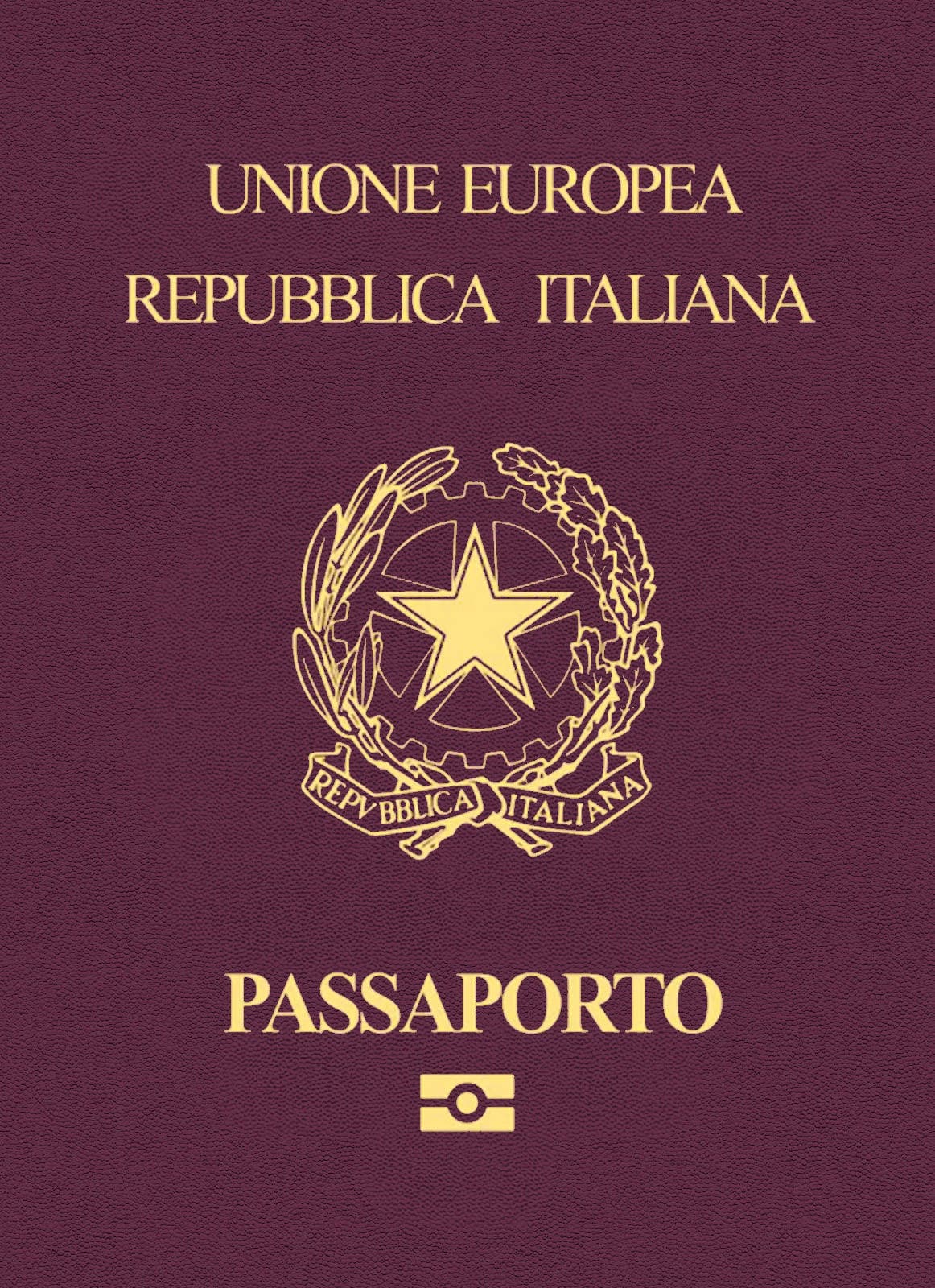
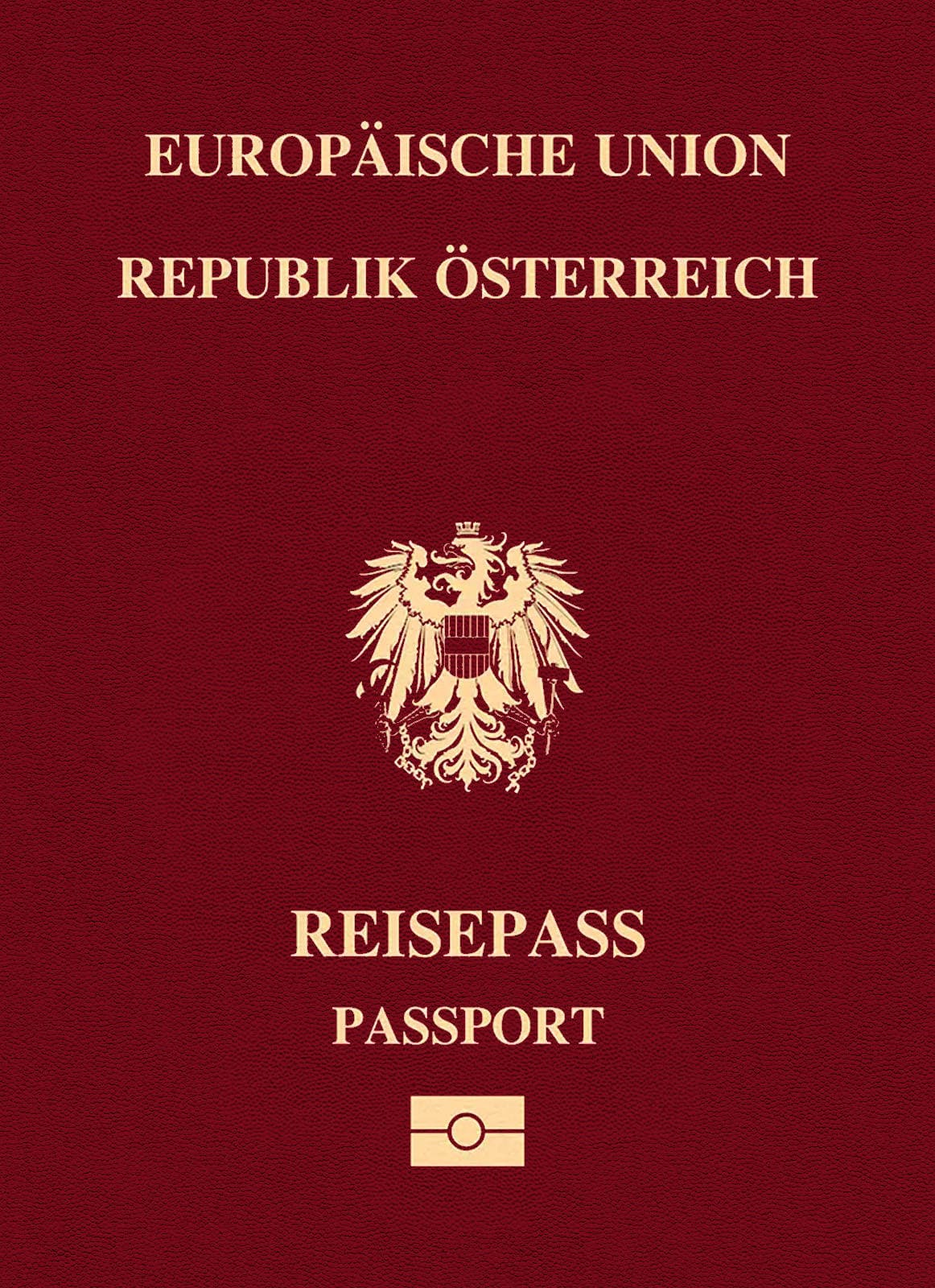
The standard Spanish passport has a burgundy red cover featuring the words "UNIÓN EUROPEA" (European Union) and "ESPAÑA" (Spain) printed in gold at the top, with the Spanish coat of arms in the centre and "PASAPORTE" (Passport) at the bottom. The biometric chip symbol is displayed near the bottom of the cover, indicating compliance with ICAO standards. Inside, Spanish passports feature a polycarbonate data page, multiple anti tampering elements, and artistic imagery reflecting Spanish landmarks, history, and cultural heritage including scenes from Andalusia, Catalonia, and Spanish colonial era exploration.
Inside the Passport
The identity page includes the following details:
Passport holder's photograph
Full legal name (Apellidos and Nombre)
Passport number
Country Code (ESP)
Nationality (Española or Spanish)
Date and place of birth
Sex
Date of issue and expiration
Issuing authority
Signature of the bearer
DNI number (Spanish national ID number)
Machine Readable Zone (MRZ)
All Spanish passports issued since 2006 contain an embedded biometric chip storing the holder's photograph, fingerprints, and digital signature.
Visa Free Access with a Spanish Passport
As of 2026, Spanish passport holders can access 175 destinations without applying for a visa in advance. This includes 132 fully visa free entries and 43 visa on arrival destinations. Spaniards enjoy visa free access to all Schengen Area countries with full freedom of movement, the United Kingdom, the United States (via ESTA), Canada (via eTA), Japan, South Korea, Singapore, Australia (via ETA), New Zealand, and almost all of Latin America (with extended stays in many countries due to historical agreements). Visa on arrival is available in destinations like the Maldives, Nepal, Cambodia, Egypt, Jordan, and Madagascar. Only 23 of the world's countries require Spaniards to apply for an advance visa, including Russia, India, Saudi Arabia, Pakistan, and Vietnam.
A unique advantage for Spanish citizens is the ability to use the Spanish national ID card (DNI) instead of a passport for travel within the entire Schengen Area, plus visa free entry to Albania, Andorra, Bosnia and Herzegovina, Kosovo, Monaco, Moldova, North Macedonia, Northern Cyprus, Serbia, San Marino, Turkey, and Vatican City.
Passport Strength and Ranking
According to the Atlys Passport Index 2026, the Spanish passport ranks 2nd globally with a mobility score of 175, tied with Singapore. Only the UAE (1st, score 182) ranks higher. Spain holds the highest mobility score of any European Union passport, slightly ahead of the tier including Germany, France, Italy, Denmark, and Finland (all tied at 3rd, score 174). Spain's elevated position reflects historical ties with Latin America that grant extended stays in countries like Argentina, Mexico, and Chile, plus a recent wave of bilateral agreements with Caribbean and Pacific nations.
The Spanish passport is one of the most valuable travel documents in the world, reflecting Spain's stable democracy, EU founding membership, and exceptional historical and cultural reach. With access to 175 visa free or visa on arrival destinations, biometric security, and the unique DNI advantage that allows ID card travel across more of Europe than most other EU passports, the Spanish passport offers some of the broadest travel freedom available anywhere. The combination of EU freedom of movement, Schengen membership, Latin American ties, and Spain's position as a top tier global passport makes it one of the most desirable nationalities to hold.