
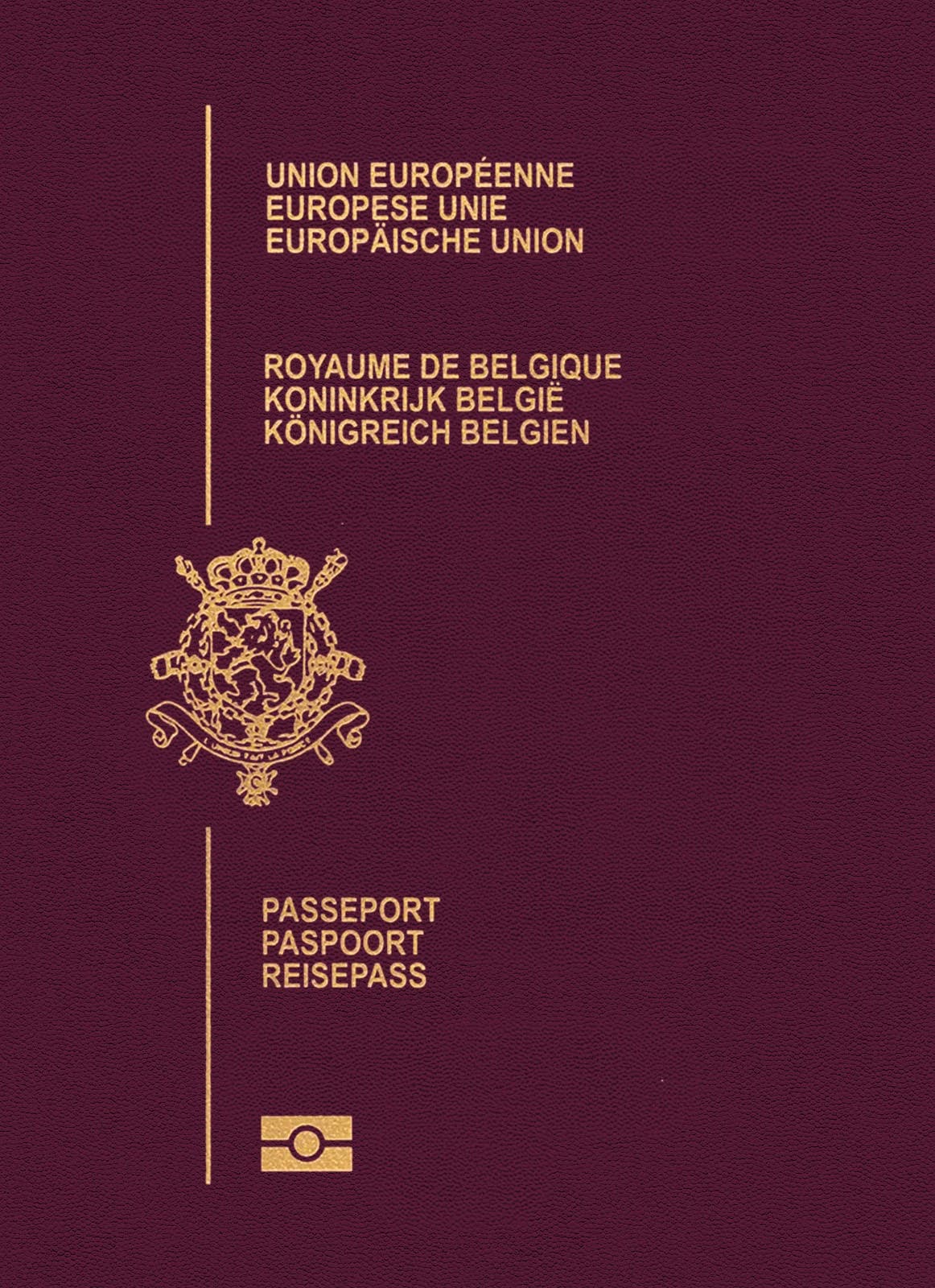
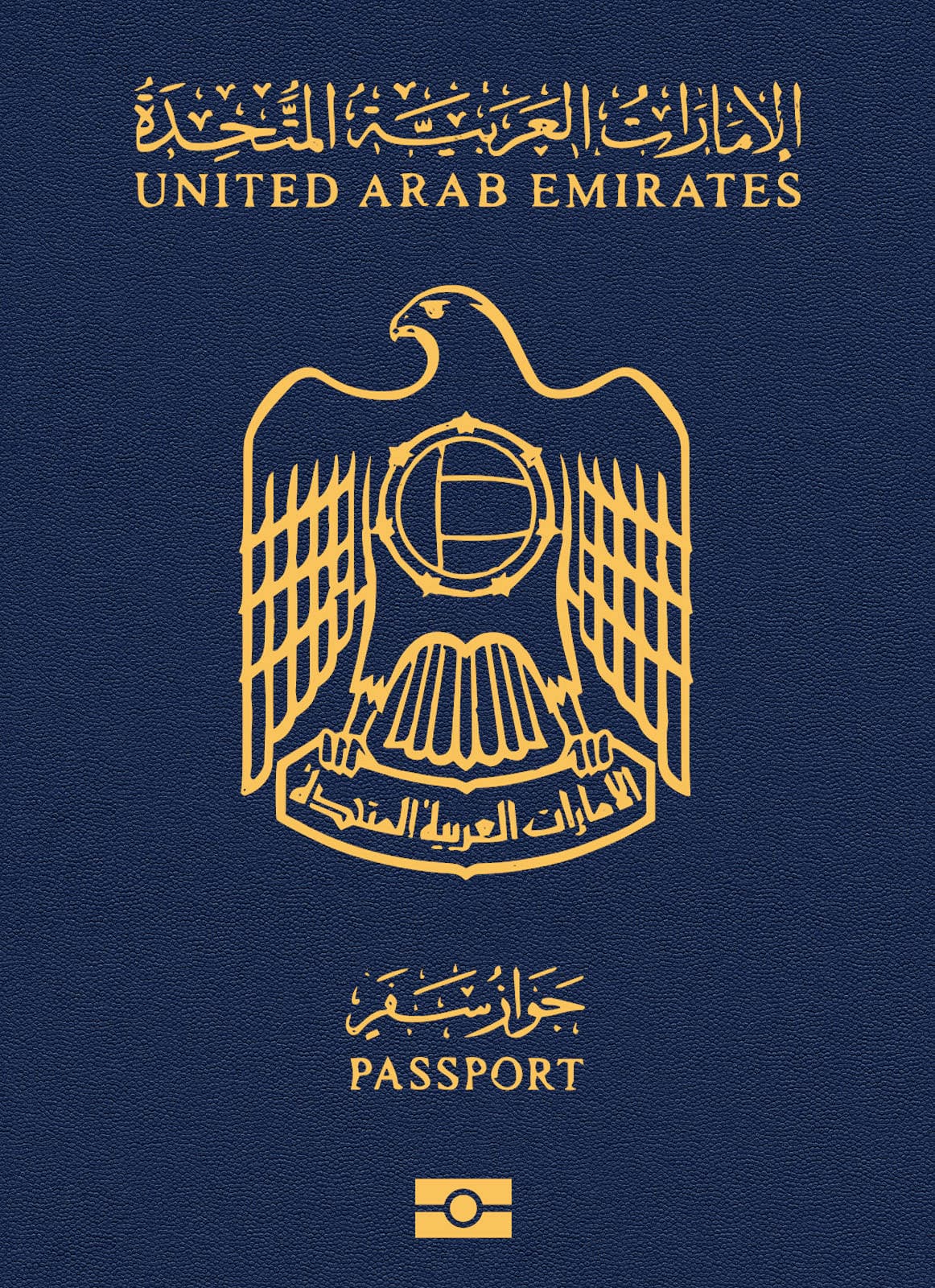
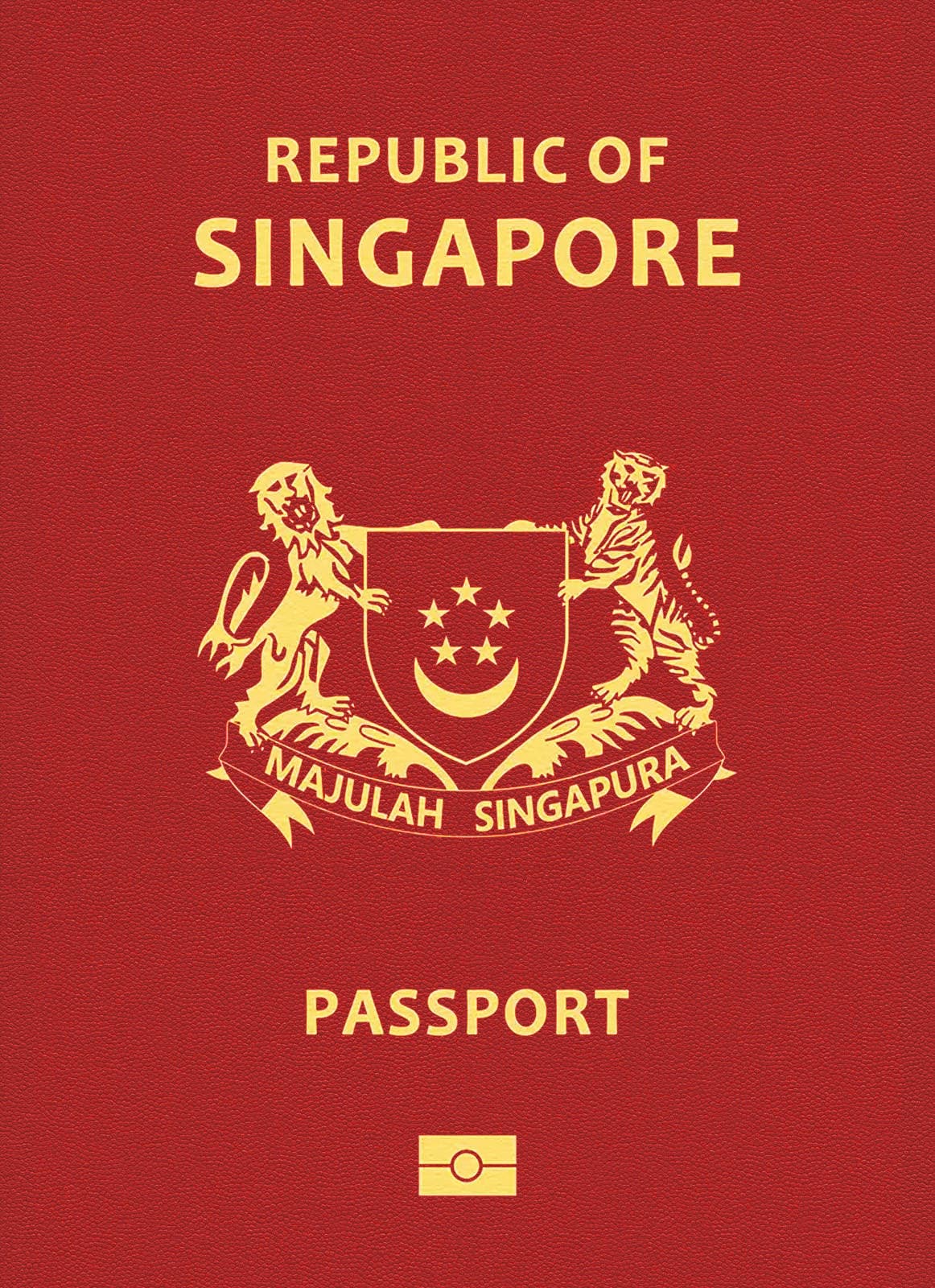
The German passport, issued by the Federal Foreign Office (Auswärtiges Amt) through municipal passport authorities (Bürgeramt or Einwohnermeldeamt), is one of the most powerful travel documents in the world. It serves as proof of German citizenship and identity, and is required for international travel outside the European Union. German passports follow the standardised burgundy red EU passport design and incorporate advanced security features including biometric chips, polycarbonate data pages, and laser engraved details that meet ICAO international standards.
The German passport ranks consistently in the global top 5, reflecting Germany's strong diplomatic relationships, EU membership, and reputation for stable governance. German citizens enjoy some of the broadest travel freedom in the world, with access to virtually every major economy and tourist destination without advance paperwork.
Types of German Passports
Ordinary Passport (burgundy red cover): issued to German citizens for personal and business travel. Standard 10 year validity for adults aged 24 and above, and 6 years for those under 24.
Diplomatic Passport (red cover): issued to members of the German government, diplomats, ambassadors, and senior officials of federal institutions.
Service Passport (blue cover): issued to government officials and civil servants travelling on official duty.
Provisional Passport (green cover): issued in urgent situations when a standard passport cannot be produced in time, with limited validity of up to 1 year.
Emergency Travel Document: issued by German consulates abroad to citizens who have lost their passport or need an immediate travel document.
Validity of a German Passport
A standard German passport is valid for 10 years for adults aged 24 and above. For citizens under 24, the validity is 6 years. German passports can be renewed up to 12 months before expiry through any local Bürgeramt or at any German embassy or consulate abroad. Most destinations require the passport to be valid for at least six months beyond the intended date of departure.
What Does It Look Like?
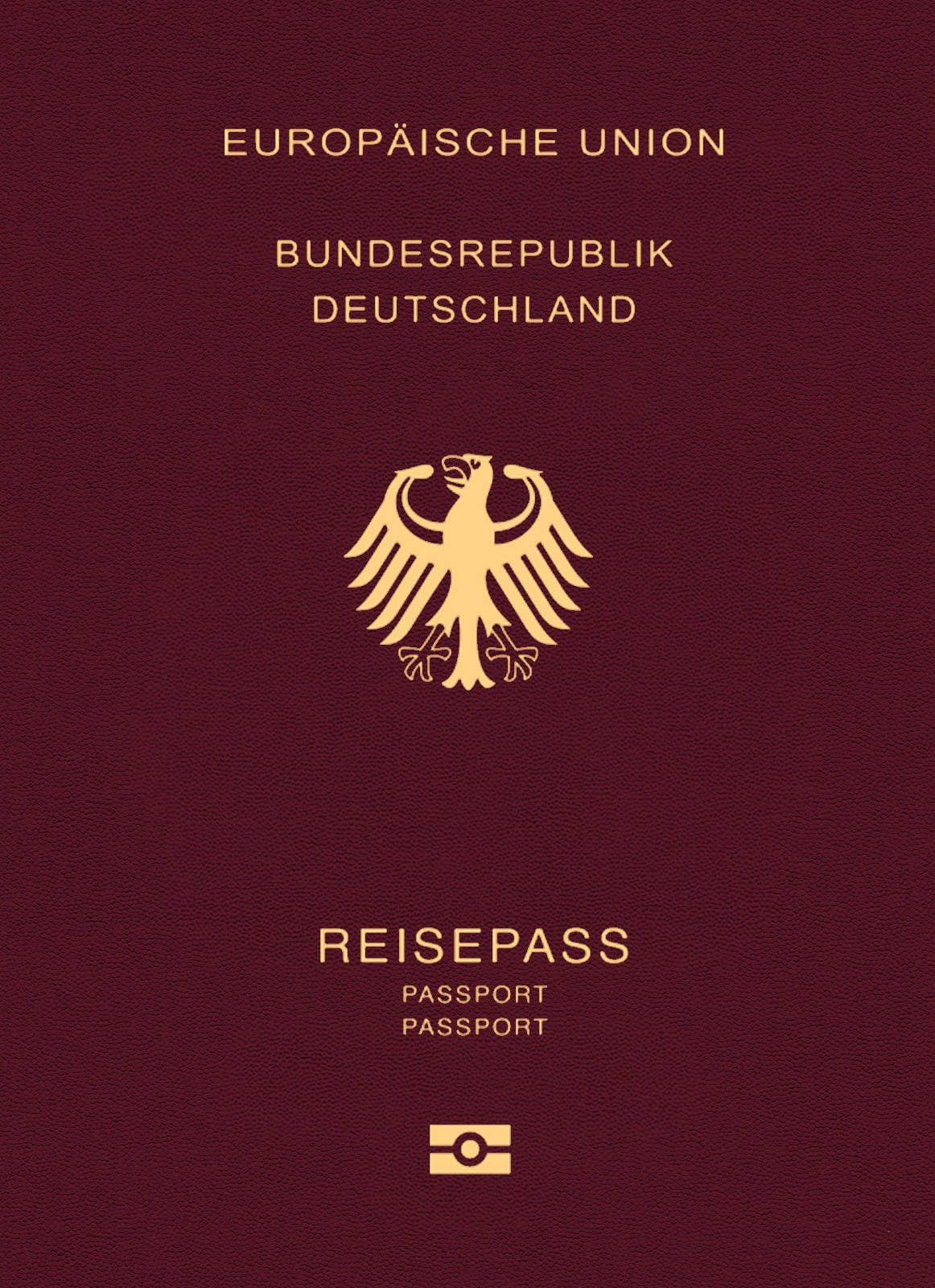
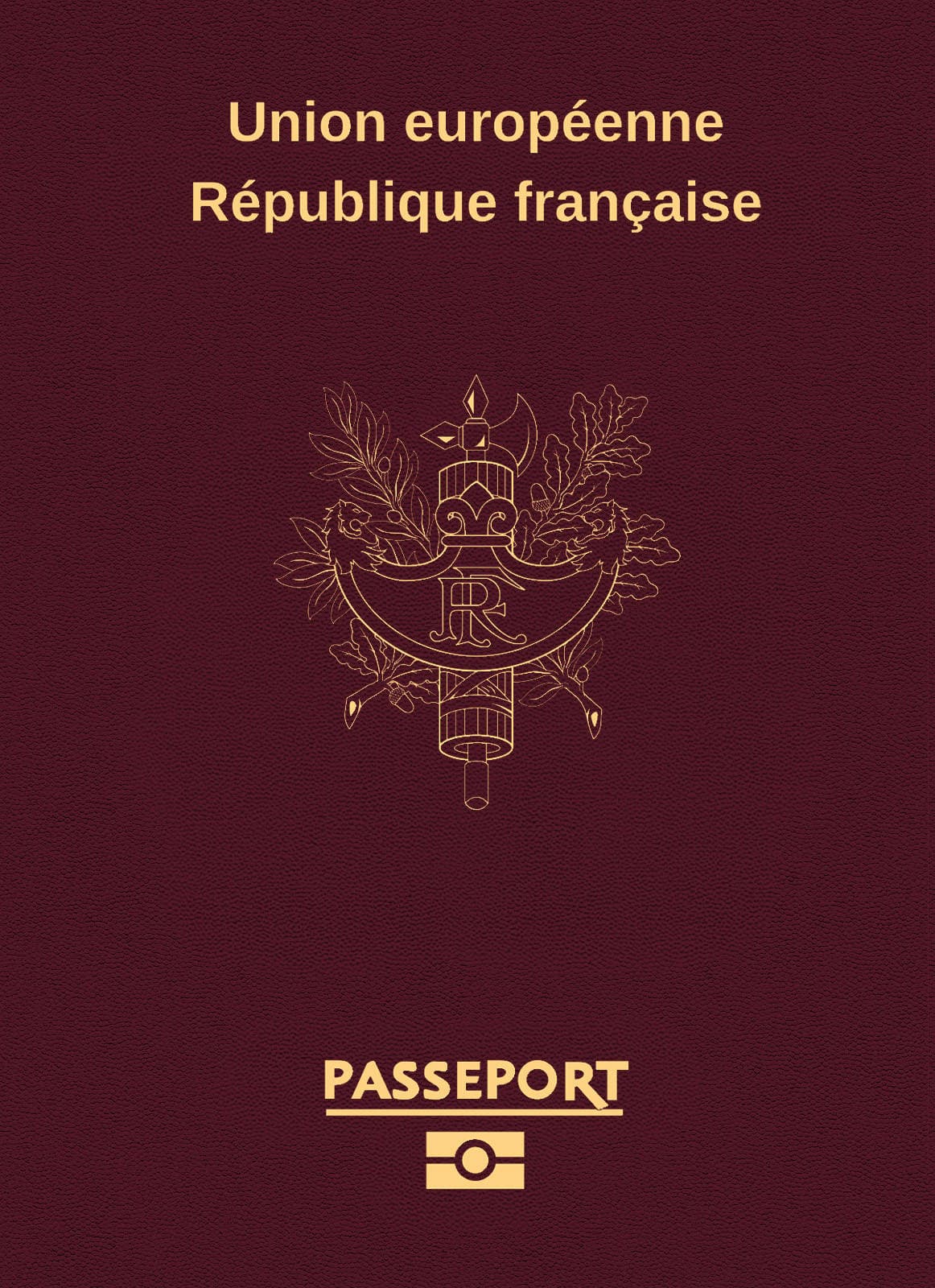
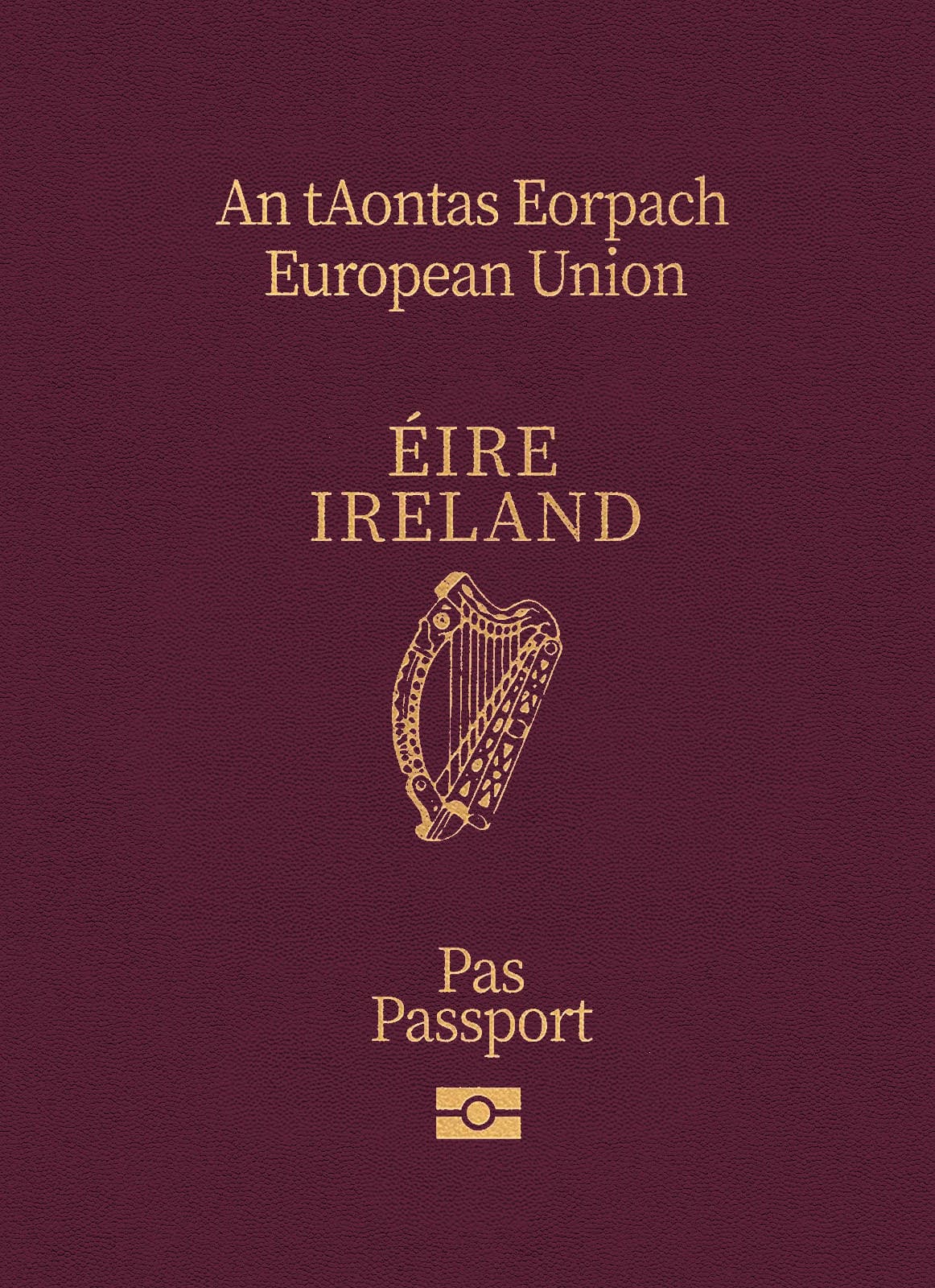
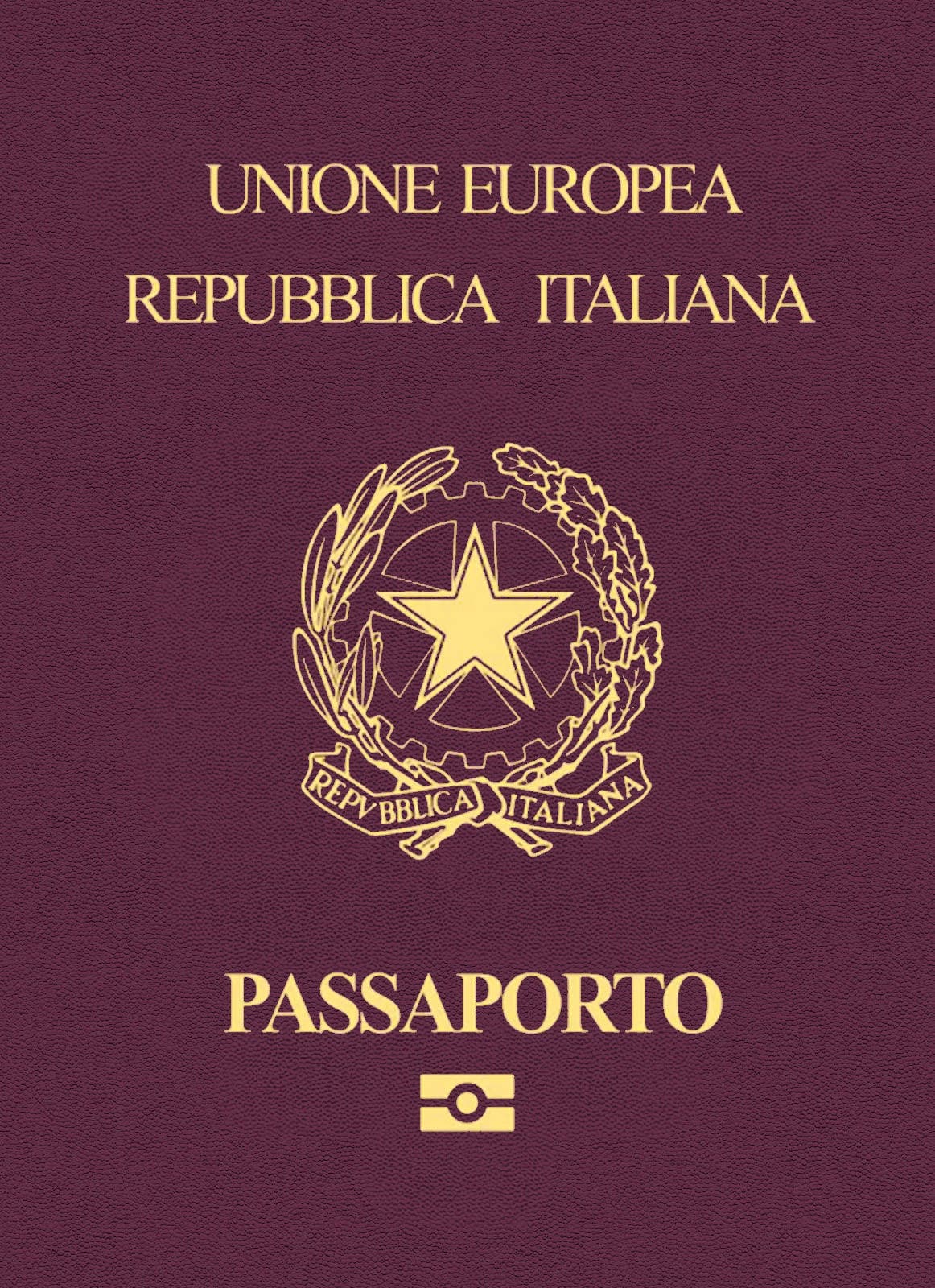
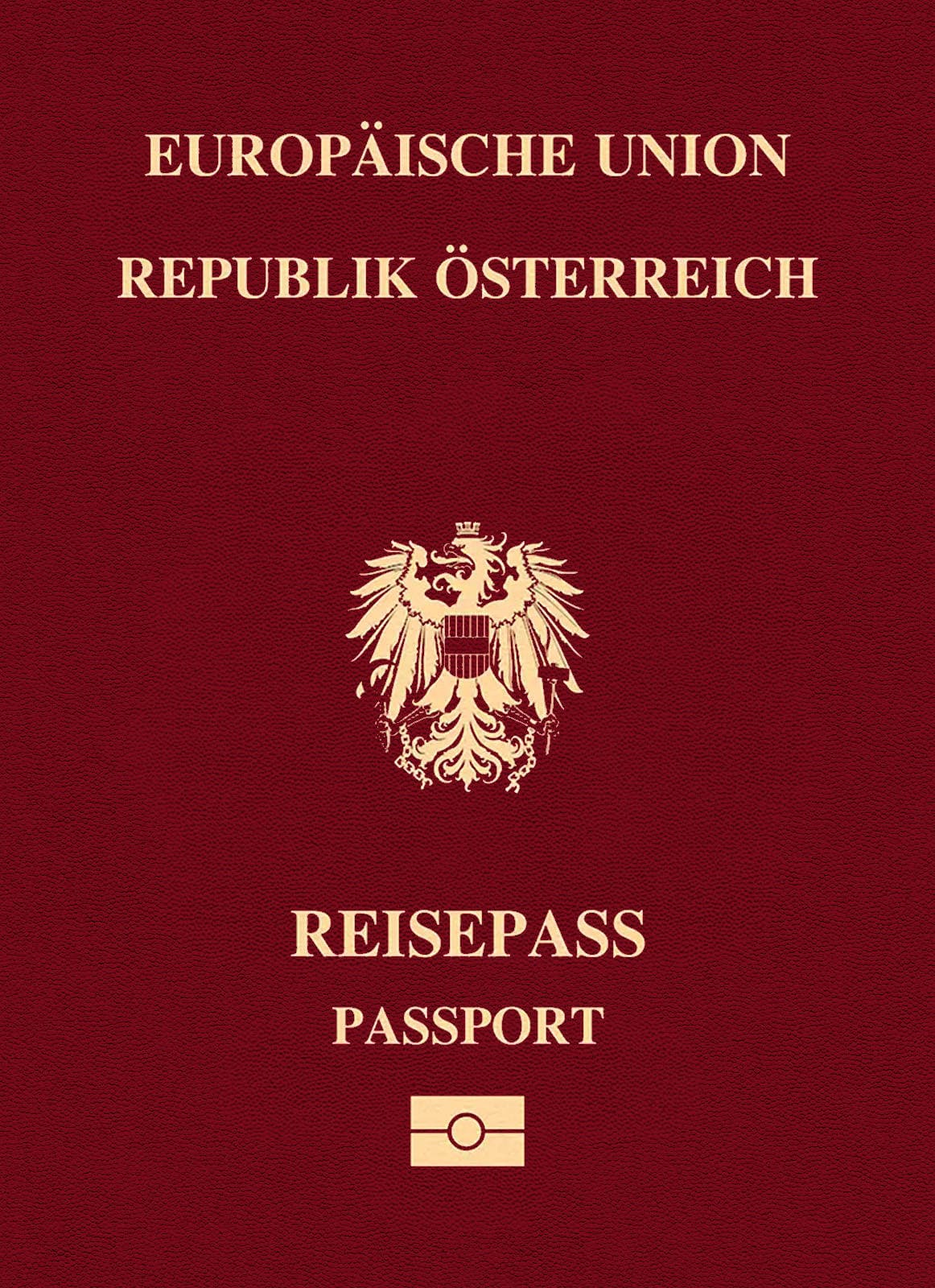
The standard German passport has a burgundy red cover featuring the Federal Eagle (Bundesadler) embossed in gold. The words "EUROPÄISCHE UNION" (European Union) and "BUNDESREPUBLIK DEUTSCHLAND" (Federal Republic of Germany) are printed in gold at the top, with "REISEPASS" (Passport) at the bottom. The biometric chip symbol is displayed near the bottom of the cover, indicating compliance with ICAO standards. Inside, German passports feature a polycarbonate data page, multiple anti tampering elements, and artistic imagery reflecting German landmarks and cultural heritage.
Inside the Passport
The identity page includes the following details:
Passport holder's photograph
Full legal name (Surname and Given names)
Passport number
Country Code (D for Deutschland)
Nationality (DEUTSCH or German)
Date and place of birth
Sex
Date of issue and expiration
Issuing authority
Signature of the bearer
Machine Readable Zone (MRZ)
The German passport has a burgundy red cover, per EU passport standards. The front includes:
“EUROPÄISCHE UNION”, “BUNDESREPUBLIK DEUTSCHLAND”, and “REISEPASS” in gold lettering
The German eagle (Bundesadler) is centered on the front
A biometric chip symbol at the bottom
All German passports issued since 2005 contain an embedded biometric chip storing the holder's photograph, fingerprints, and digital signature. Names containing German umlauts (ä, ö, ü) and ß are displayed correctly in the non machine readable zone, but transliterated to AE, OE, UE, and SS in the machine readable zone (for example, Müller appears as MUELLER).
Visa-Free Access with a German Passport
As of 2026, German passport holders can access 174 destinations without applying for a visa in advance. This includes 131 fully visa-free entries and 43 visa-on-arrival destinations. Germans enjoy visa free access to all Schengen Area countries, the United Kingdom, the United States (via ESTA), Canada (via eTA), Japan, South Korea, Singapore, Australia (via ETA), New Zealand, and virtually all of Latin America and Southeast Asia. Visa on arrival is available in destinations like the Maldives, Nepal, Cambodia, Egypt, Jordan, and Madagascar. Only 24 of the world's countries require Germans to apply for an advance visa, including Russia, India, Saudi Arabia, Pakistan, and Vietnam.
Passport Strength and Ranking
According to the Atlys Passport Index 2026, the German passport ranks 3rd globally with a mobility score of 174, tied with several other top EU passports including France, Italy, Spain, Denmark, and Finland. Germany has consistently held a top 5 position for over a decade. Recent visa requirements lifted for German citizens include China (December 2023, eligible for 15 day visa free entry), Angola (September 2023), Zambia (October 2022), Tajikistan (January 2022), and Oman (December 2020). The German passport trails only the UAE (1st, score 182) and Singapore plus Spain (tied 2nd, score 175).
The German passport is one of the most valuable travel documents in the world, reflecting Germany's stable democracy, EU membership, and global diplomatic standing. With access to 174 visa free or visa on arrival destinations, biometric security, and strong international recognition, it remains a benchmark for global mobility. The combination of EU freedom of movement, Schengen membership, and extensive bilateral agreements gives German citizens some of the broadest travel freedom available anywhere.